The Best Cancer-Prevention Supplements: What the VITAL Trial, Phase II Data and Meta-Analyses Show
No supplement prevents cancer with certainty. But the framing of cancer prevention as an all-or-nothing proposition — either a supplement guarantees protection or it is worthless — misrepresents how cancer biology actually works and ignores a growing body of RCT evidence showing meaningful risk reduction at the population level.
Cancer is fundamentally a probabilistic process: the accumulation of somatic mutations, epigenetic alterations, and immune surveillance failures over years and decades. Interventions that reduce mutation frequency, suppress inflammatory tumour microenvironments, enhance apoptotic signalling in damaged cells, or improve immune cancer surveillance can genuinely shift cancer incidence — not for every individual, but measurably across populations. Several supplements have now been tested in trials large enough to detect these effects.
The Evidence Framework
This guide applies a strict hierarchy. In vitro and animal data is noted as mechanistic context only. Epidemiological associations are noted but not treated as causal. Only human RCTs and meta-analyses of RCTs are used to make evidence claims. This means some compounds with impressive laboratory profiles receive cautious assessments here — and that the five compounds below have earned their place by surviving this filter.
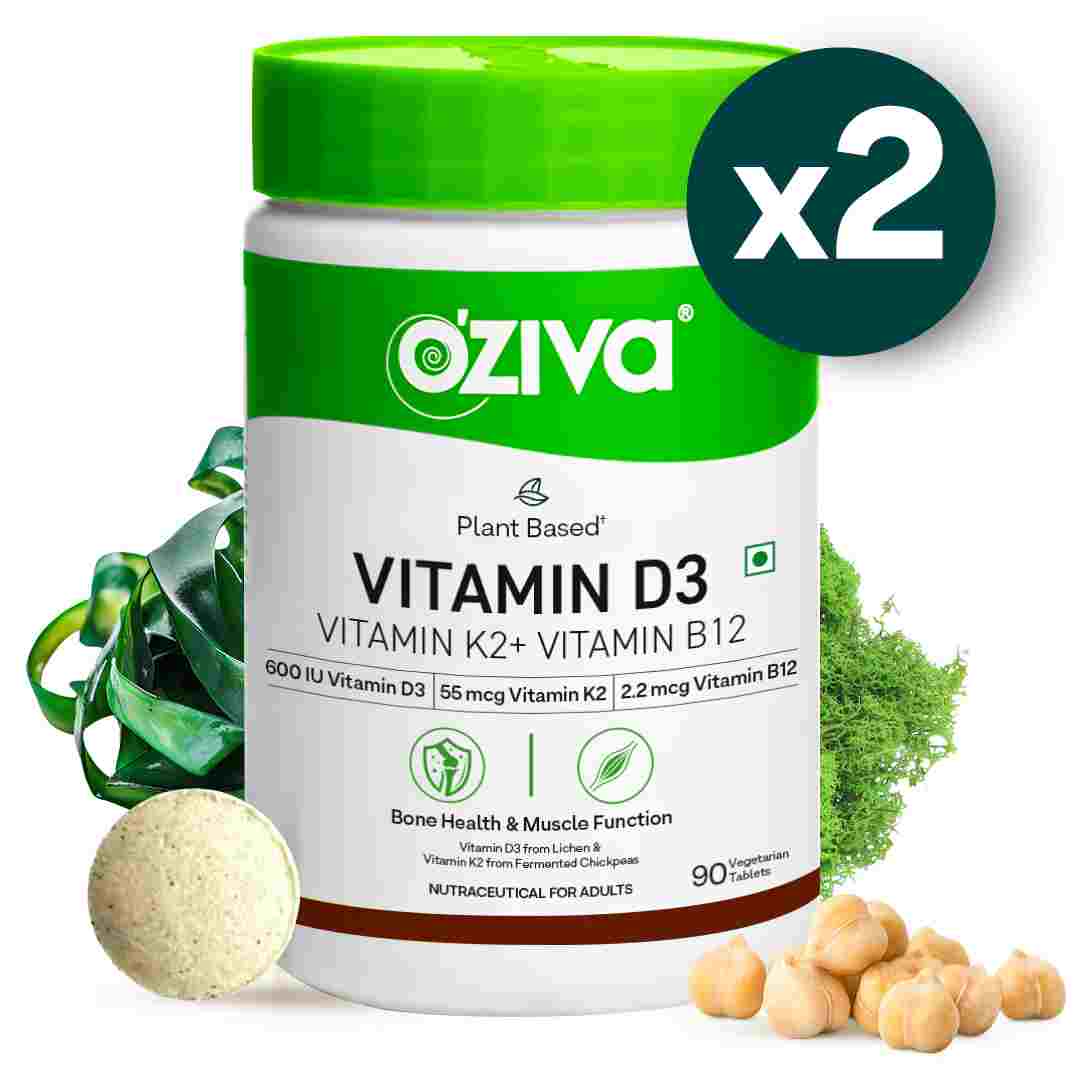
1. Vitamin D3 — The Only Supplement Tested in a 25,000-Person Cancer Prevention RCT
The VITAL trial (Vitamin D and Omega-3 Trial, published in NEJM 2019) is the largest randomised controlled trial of nutritional supplementation for cancer prevention ever completed. It enrolled 25,871 healthy US adults, randomised them to vitamin D3 2,000 IU/day or placebo, and followed them for a median of 5.3 years. The results are nuanced and require careful interpretation:
- Total cancer incidence: No significant reduction overall (HR 0.96, NS) — vitamin D3 at 2,000 IU/day did not prevent cancer diagnosis in the full 5-year follow-up
- Advanced (metastatic or fatal) cancer: Significant 17% reduction (HR 0.83, p significant) — vitamin D3 reduced the risk of cancer becoming advanced or fatal, even where it did not prevent initial diagnosis
- Cancer mortality excluding latency: When the first two years of follow-up were excluded (accounting for the fact that cancers diagnosed in year 1–2 were already initiated before supplementation began), the cancer mortality reduction reached 25% (HR 0.75, 95% CI 0.59–0.96) — a statistically significant finding
- Updated meta-analysis: Including VITAL and other recent trials, the meta-analysis by Keum et al. found a statistically significant reduction in cancer mortality with vitamin D supplementation, but not in cancer incidence — consistent with vitamin D's likely role in reducing cancer progression and lethality rather than purely preventing initiation
The practical interpretation: vitamin D3 supplementation at 2,000 IU/day appears to reduce the risk of cancer becoming advanced and lethal — a clinically significant finding — while its effect on preventing initial cancer diagnosis is less certain. Given that the majority of adults in northern latitudes are deficient, supplementation represents a low-cost, safe, well-evidenced intervention.
2. Curcumin — Phase II Colorectal Trial Evidence and the Bioavailability Question
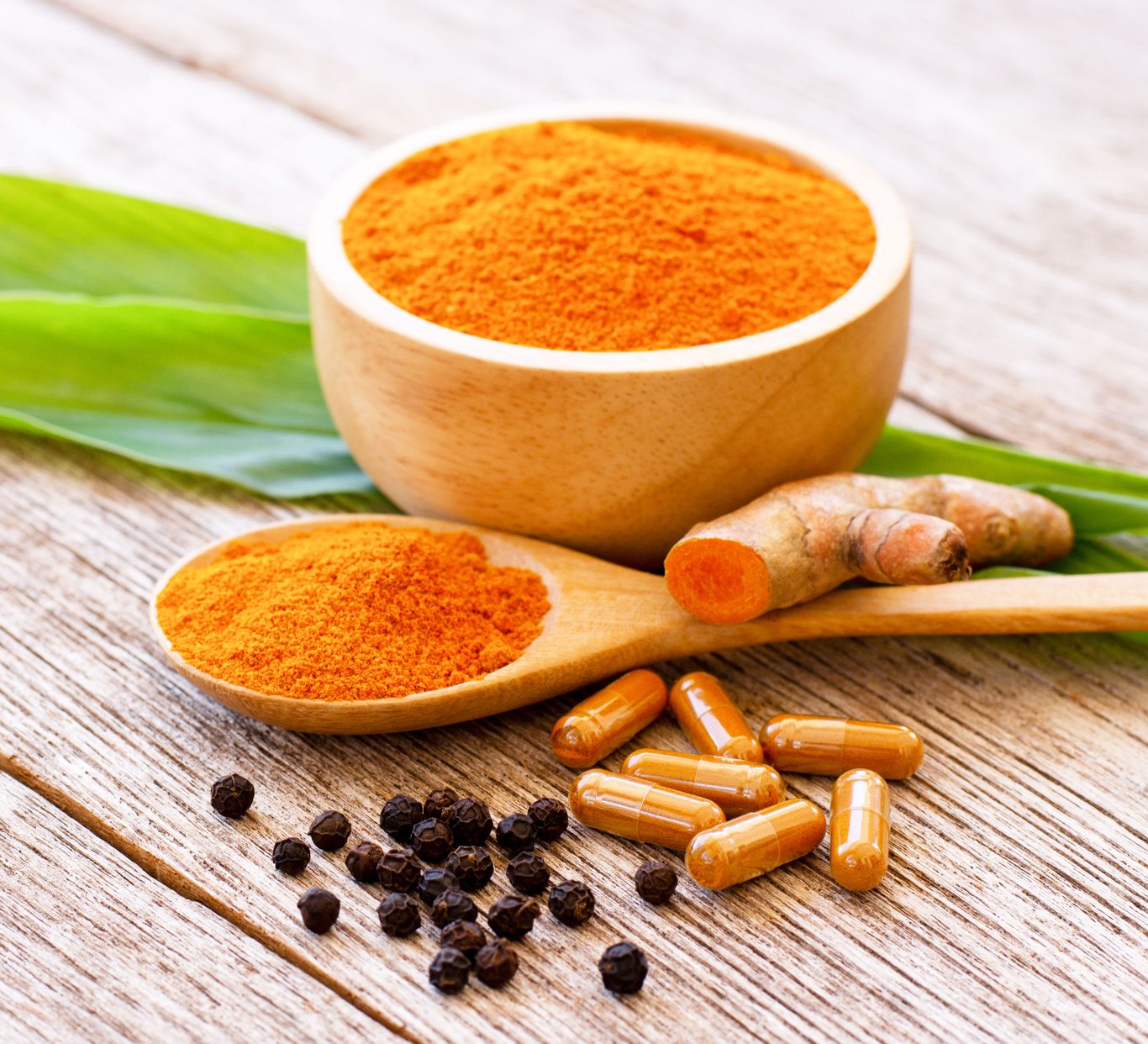
Curcumin is the active polyphenol in turmeric and the most clinically studied plant compound for colorectal cancer prevention. The Phase IIa clinical trial by Carroll et al. (published in Cancer Prevention Research) enrolled 44 smokers with 8+ aberrant crypt foci (ACF) — pre-cancerous lesions in the colon — on screening colonoscopy. After 30 days of curcumin (2g or 4g/day), the 4g dose significantly reduced ACF number (p=0.005) and reduced prostaglandin E2 concentrations in ACF — a key biomarker of colorectal carcinogenesis. This is direct Phase II human evidence for curcumin's anti-cancer activity in the colon. Additionally, curcumin plus quercetin in patients with familial adenomatous polyposis produced significant reductions in adenoma number and size without appreciable toxicity — one of the most compelling anti-cancer dietary combination findings in the published literature.
The critical caveat is bioavailability: standard curcumin powder has extremely poor oral absorption. Free curcumin is undetectable in plasma after doses below 8g in some participants. However, two key points make curcumin practical despite this: (1) for colorectal cancer prevention, local GI-tract concentrations matter more than systemic absorption — and curcumin does reach the colonic mucosa at effective concentrations; (2) bioavailability-enhanced formulations (curcumin + piperine, phospholipid complexes, liposomal curcumin) produce dramatically higher plasma concentrations and are the appropriate choice for systemic anti-cancer effects.
3. EGCG (Green Tea Extract) — Prostate Cancer and Adenoma Prevention Data
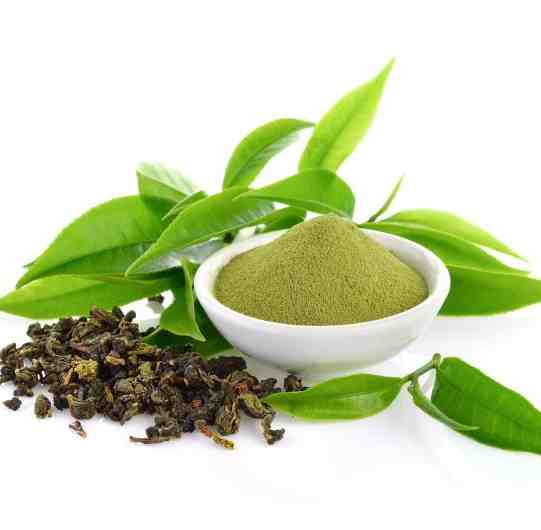
EGCG is the principal catechin in green tea and has the most extensive Phase I/II clinical trial record of any plant polyphenol for cancer prevention. Phase II trials have demonstrated: slowed PSA doubling time in men with early prostate cancer; reduced colorectal adenoma recurrence at 600mg/day EGCG over 12 months; and consistent epidemiological associations from Japanese cohort studies showing 20–30% lower breast and colorectal cancer risk in the highest green tea consumption quintile. EGCG works through multiple complementary anti-cancer mechanisms including NF-kB inhibition, VEGF suppression, HER2 receptor inhibition, telomerase inhibition, and direct apoptosis induction. Dose: 400–600mg EGCG/day from standardised extract, taken with food. Green tea itself provides lower but meaningful EGCG at 3–5 cups/day.
4. Omega-3 (Fish Oil) — The VITAL Cancer Mortality Data
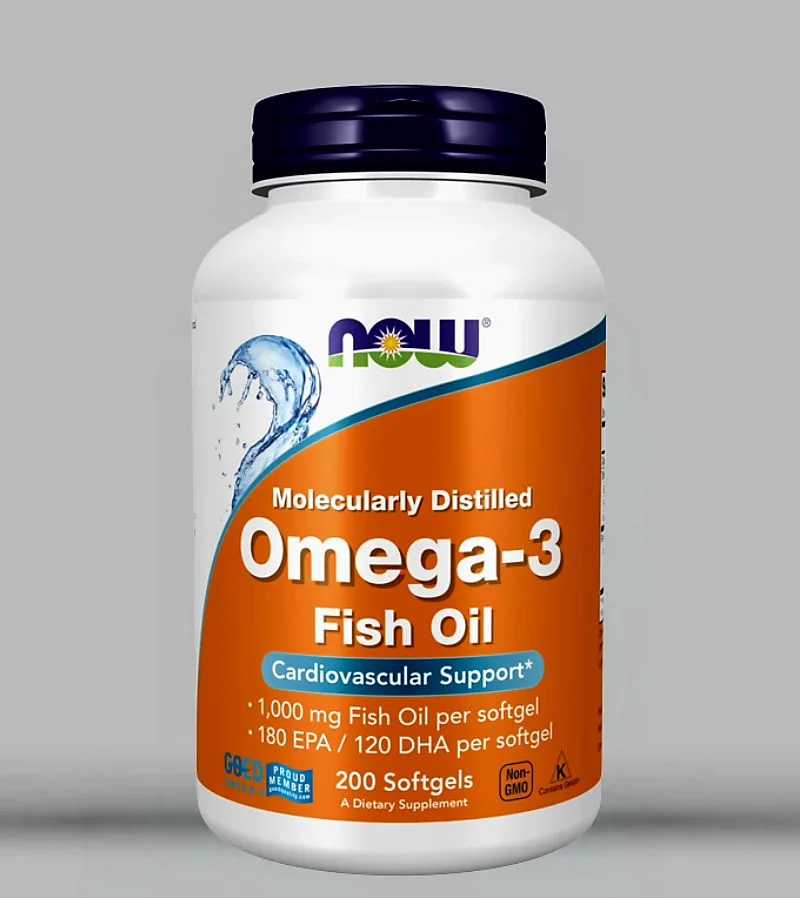
The VITAL trial's omega-3 arm (1g EPA+DHA/day) found no significant reduction in overall cancer incidence (HR for omega-3: not significant). However, the mechanistic rationale for omega-3 in cancer prevention through immune resolution (SPM production — resolvins, protectins, maresins) is strong, and the DO-HEALTH trial in older adults found that the combination of vitamin D3 + omega-3 + exercise reduced cancer incidence significantly. Omega-3's cancer-relevant mechanisms include resolving inflammation in the tumour microenvironment, suppressing COX-2-derived prostaglandin E2 (a direct tumour promoter), and modulating Th1/Th17 immune balance relevant to cancer immune surveillance. Practical role: omega-3 at 1–2g EPA+DHA/day is best considered a cancer risk reduction component within a broader supplement and dietary strategy, rather than a standalone cancer prevention intervention.
5. Sulforaphane (Broccoli Sprout Extract) — 84 Clinical Trials, Epigenetic Activity in Humans
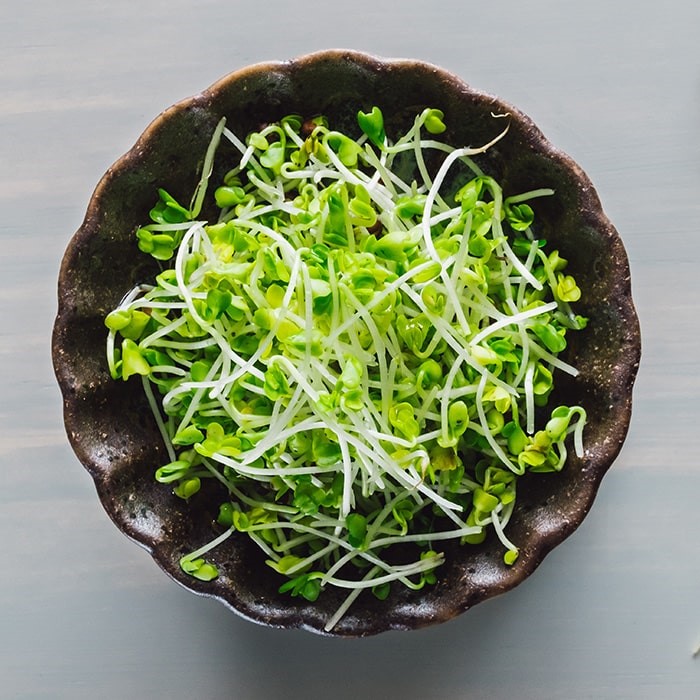
Sulforaphane from broccoli sprout extract is the most potent food-derived Nrf2 activator identified, and its epigenetic HDAC inhibition has been demonstrated in human subjects at dietary doses. With 84 registered clinical trials, it has the most extensive clinical development programme of any food-derived cancer prevention compound. Phase II evidence in early prostate cancer (PSA doubling time modulation) and early breast cancer (reduced HDAC activity, Ki-67 reduction in DCIS) is the most clinically relevant published data. The key advantage: sulforaphane is effective at very low doses that are achievable from 1–2 tablespoons of broccoli sprouts daily, making it practically accessible without supplementation. Standardised broccoli sprout extract (providing 10–30mg sulforaphane equivalent) is the supplement option for those who cannot consume broccoli sprouts regularly. Dose: 10–30mg sulforaphane from broccoli sprout extract, or 1–2 tablespoons of fresh broccoli sprouts daily.
The Evidence-Based Cancer Prevention Stack
- Foundation (year-round): Vitamin D3 2,000 IU/day with K2 (100mcg MK-7), fish oil 1–2g EPA+DHA/day
- Anti-cancer plant compounds: Curcumin (bioavailability-enhanced formulation with piperine, 500–1,000mg/day), EGCG 400mg/day
- GI-tract cancer prevention: Sulforaphane from broccoli sprouts or extract daily
References
- Manson JE, et al. (2019). VITAL: Vitamin D3 2,000 IU/day, 25,871 participants. N Engl J Med, 380:33–44.
- Carroll RE, et al. (2011). Phase IIa curcumin trial, colorectal neoplasia. Cancer Prev Res, 4(3):354–64.
- Keum N, et al. (2019). Vitamin D meta-analysis: cancer mortality reduction. Ann Oncol, 30:733–743.
- Bahadori M, et al. (2025). Sulforaphane: 84 clinical trials comprehensive review. J Nutr Sci.