Ashwagandha for Anxiety: KSM-66 Clinical Evidence, Cortisol Reduction and Dosage Guide
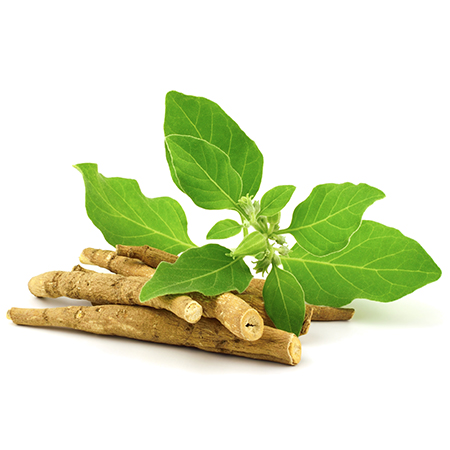
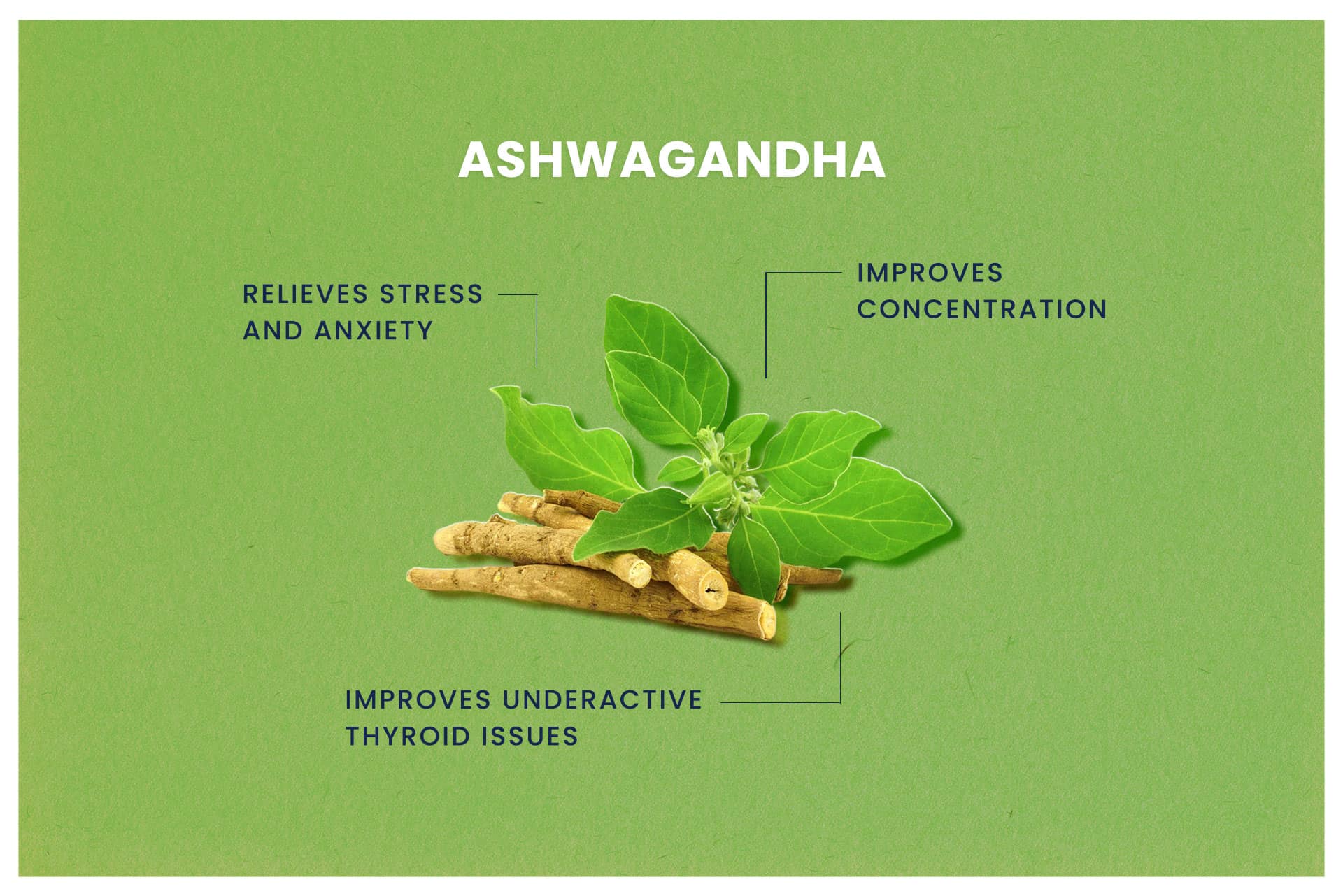
Ashwagandha (Withania somnifera) has become the most clinically studied adaptogen for anxiety and stress — and the evidence base justifies the attention. Unlike many popular natural health supplements where clinical evidence is thin or limited to animal studies, ashwagandha now has over 24 human clinical trials with multiple high-quality RCTs demonstrating significant cortisol reduction and anxiety score improvement. This guide covers the full evidence picture, explains the mechanism at a pharmacological level, and provides practical guidance on which extract to choose.
What Is an Adaptogen — and Why It Matters for Anxiety
Ashwagandha is classified as an adaptogen — a plant compound that increases non-specific resistance to stress without disrupting normal physiological function. Unlike anxiolytic drugs (benzodiazepines, buspirone) that directly suppress anxiety symptoms via receptor binding, adaptogens work at the regulatory level — recalibrating the HPA (hypothalamic-pituitary-adrenal) axis that governs the body's stress response system. This means the effect is more gradual, builds over weeks, and addresses the root dysregulation rather than suppressing symptoms. It also means there is no rebound anxiety, dependence, or tolerance — the key limitations of pharmaceutical anxiolytics.
The Clinical Evidence: Key Trials
Chandrasekhar et al. (2012) — The Landmark Study
This double-blind, placebo-controlled RCT enrolled 64 adults with a history of chronic stress, randomising them to ashwagandha root extract (300mg KSM-66 twice daily = 600mg/day) or placebo for 60 days. Results at 60 days versus placebo:
- 44% reduction in Perceived Stress Scale (PSS) score
- 27.9% reduction in serum cortisol levels (biochemically confirmed)
- Significant improvement on all quality of life domains
- Significant reduction on General Health Questionnaire (GHQ-28)
- No serious adverse events; good tolerability
This trial is frequently cited as the highest-quality evidence for ashwagandha's anxiolytic effect because it included objective biomarker confirmation (cortisol measurement) rather than relying solely on subjective questionnaire scores.
Majeed et al. (2023, Medicine)
A randomised, double-blind, placebo-controlled study in 60 healthy adults with perceived stress. Standardised ashwagandha root extract produced significant reductions in stress and anxiety scores and significant improvements in quality of life measures over 8 weeks. Importantly, the stress-modulating hormones (cortisol, DHEA-S ratio) improved — confirming the HPA axis modulating mechanism in a more recent, well-controlled trial.
Majeed et al. (2024, Journal of Integrative and Complementary Medicine)
This more recent RCT investigated a standardised ashwagandha root extract with piperine for anxiety and depression — finding significant improvements in anxiety and depressive symptoms alongside increased serotonin levels, confirming that ashwagandha's anxiolytic action extends to serotonin pathway modulation beyond cortisol suppression alone.
Pandit et al. (2024, Nutrients)
A 12-week RCT in chronically stressed adults confirmed cortisol reduction and anxiety score improvements, extending the evidence to longer treatment durations and confirming that effects persist and potentially strengthen beyond the 8–12 week mark.
Mechanism: How Ashwagandha Reduces Anxiety
Ashwagandha's anxiolytic effects operate through four converging pathways:
- HPA axis suppression: Withanolides (the primary active compounds) inhibit cortisol synthesis by suppressing adrenocortical steroidogenesis — directly reducing the hormone most responsible for anxiety, sleep disruption, and immune suppression during chronic stress
- GABA-A receptor mimicry: Specific withanolides (particularly withaferin A and withanolide D) bind to GABA-A receptors with mild agonist activity — providing a direct calming effect on neuronal excitability, similar in mechanism to benzodiazepines but far weaker and without dependence risk
- Serotonin modulation: Increases serotonin availability — confirmed by the 2024 Majeed trial measuring serotonin levels alongside anxiety scores
- Anti-inflammatory: Reduces NF-κB-mediated neuroinflammation — the chronic inflammatory state that amplifies stress reactivity and anxiety in stressed individuals
Choosing the Right Ashwagandha Extract
Not all ashwagandha supplements are equivalent. The clinical evidence is primarily based on specific standardised extracts — these are not interchangeable with generic ashwagandha powder:
- KSM-66: The most clinically studied root extract — standardised to 5% withanolides. Used in the majority of the high-quality RCTs including the Chandrasekhar study. Full-spectrum root extract (not leaf extract). Gold standard for anxiety and stress applications
- Sensoril (Shoden): Standardised extract from both root and leaf — higher withanolide concentration (10%+). More studied for cognitive and sleep applications. Also effective for anxiety
- Generic/unstandardised: Withanolide content unknown and highly variable — clinical trial results cannot be assumed to apply
Dosage, Timing and What to Expect
- Evidence-based dose: 300–600mg of KSM-66 (or equivalent standardised extract) daily. Most trials used 300mg twice daily. Some trials used 600mg once daily
- Timing: Morning dose supports daytime stress resilience; evening dose supports cortisol reduction before sleep. For sleep-related anxiety, evening dosing may be more beneficial
- Onset: Initial calming effects can be perceived within 1–2 weeks; significant anxiety and cortisol reduction typically requires 6–8 weeks of consistent use
- Duration: Evidence supports 8–12 week courses followed by 4-week breaks. Alternatively, continuous use at lower doses is used clinically for chronic stress management
Who Should Avoid Ashwagandha
- Pregnancy: Contraindicated — ashwagandha has uterotonic properties and is associated with miscarriage risk
- Autoimmune conditions: Ashwagandha stimulates immune function — may exacerbate autoimmune conditions including rheumatoid arthritis, lupus, multiple sclerosis
- Thyroid disorders: May increase thyroid hormone levels — requires monitoring in people with thyroid conditions or on thyroid medication
- Liver conditions: Rare cases of liver injury have been reported with high doses; use with caution and avoid if liver disease is present
References
- Chandrasekhar K, Kapoor J, Anishetty S. (2012). Ashwagandha for stress and anxiety: 60-day RCT. Indian J Psychol Med, 34(3):255–62.
- Majeed M, et al. (2023). Ashwagandha alleviates stress and improves QoL. Medicine (Baltimore), 102:e35521.
- Majeed M, et al. (2024). Ashwagandha increases serotonin, reduces anxiety and depression. J Integr Complement Med, 30:459–68.
- Pandit S, et al. (2024). Ashwagandha in chronically stressed adults: RCT. Nutrients, 16.
- NIH ODS. (2024). Ashwagandha health professional fact sheet.