Best Natural Supplements for Anxiety: Ashwagandha, L-Theanine and Rhodiola Evidence Compared
The search for natural anxiety relief generates tens of millions of searches annually — and unlike many natural health categories, the clinical evidence for the leading interventions is genuinely solid. Ashwagandha, L-theanine, and rhodiola have each accumulated multiple randomised controlled trials, clear mechanistic explanations, and favourable safety profiles. This guide compares them directly so you can match the right intervention to your anxiety profile.
Understanding Anxiety Biology: Why Natural Interventions Can Work
Anxiety is not a single biological phenomenon — it involves dysregulation across multiple systems simultaneously:
- HPA axis overactivation: Elevated cortisol and heightened stress hormone reactivity — the "always on" stress response
- GABA/glutamate imbalance: Insufficient inhibitory neurotransmission relative to excitatory — the nervous system cannot fully brake
- Sympathetic nervous system dominance: Chronic fight-or-flight state with elevated heart rate, shallow breathing, and muscle tension
- Neuroinflammation: Elevated inflammatory markers that directly amplify anxiety and emotional reactivity
The most effective natural interventions target at least two of these systems — which is why single-mechanism approaches (melatonin, B vitamins alone) rarely address anxiety comprehensively.
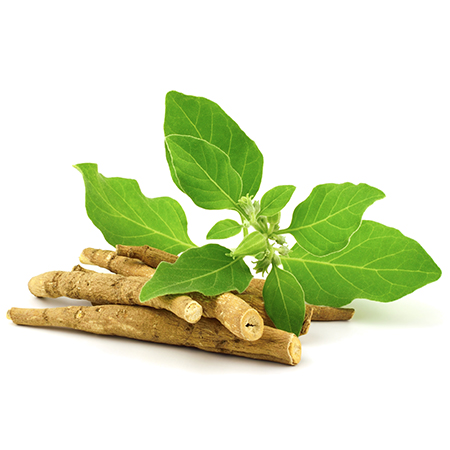
Ashwagandha (Withania somnifera): The Most Evidenced Adaptogen for Anxiety
Ashwagandha is an Ayurvedic adaptogen — a class of herbs that improve the body's non-specific resistance to stress. The standardised root extract KSM-66 is the most clinically studied form, with 24+ human clinical trials. For anxiety specifically:
- Chandrasekhar et al. (2012) — The landmark trial: 64 adults with chronic stress randomised to ashwagandha root extract (300mg twice daily) or placebo for 60 days. The ashwagandha group showed 44% reduction in stress and anxiety scores (PSS), 27.9% reduction in morning serum cortisol, and significant improvements in all quality of life measures. This remains one of the most cited natural anxiety trials
- Majeed et al. (2023): Standardised ashwagandha significantly reduced stress, anxiety, and improved quality of life in 60 healthy adults with perceived stress over 8 weeks
- Pandit et al. (2024, Nutrients): Confirmed cortisol reduction and anxiety score improvements in chronically stressed adults
Mechanism: Withanolides (ashwagandha's active compounds) suppress the HPA axis by reducing cortisol synthesis, reduce inflammatory cytokines (IL-6, TNF-α), and modulate GABA-A receptors — addressing anxiety through hormonal, inflammatory, and neurotransmitter pathways simultaneously.
Best for: Chronic stress-related anxiety, HPA axis dysregulation, high cortisol, anxiety with fatigue or brain fog, anxiety worsening under high workload or chronic stress
Dose: KSM-66 extract 300–600mg daily (standardised to withanolides). Effects build over 4–8 weeks. Not recommended during pregnancy; use caution with thyroid conditions.
L-Theanine: Fast-Acting Calm Without Sedation
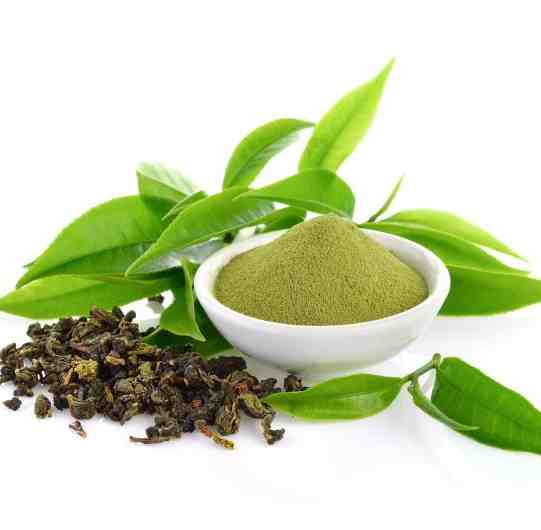
L-theanine is an amino acid found almost exclusively in green tea leaves — responsible for the paradox of tea providing simultaneous alertness and calm (as opposed to coffee, which provides alertness with agitation). Its mechanism is unique and rapid-acting:
- Alpha brain wave stimulation: L-theanine increases alpha wave (8–14 Hz) activity in the brain within 30–45 minutes of ingestion. Alpha waves are associated with a state of relaxed alertness — the same mental state achieved during meditation. This is why L-theanine produces calm without drowsiness
- GABA, serotonin, and dopamine modulation: L-theanine elevates GABA, serotonin, and dopamine levels — the trifecta of calm, mood stability, and motivation
- Glutamate antagonism: Blocks NMDA glutamate receptors (the same mechanism as magnesium) — reducing excitatory overstimulation
Clinical evidence: A 2019 RCT by Hidese et al. (Nutrients) — 30 healthy adults in a randomised crossover design — found L-theanine (200mg/day for 4 weeks) significantly reduced stress-related symptoms including anxiety, depression, and sleep quality versus placebo. The Psychology Today review of the clinical evidence concluded L-theanine produces meaningful anxiety reduction, albeit milder than pharmaceutical anxiolytics, without their side effect profile.
Best for: Situational/acute anxiety (pre-presentation, social anxiety, exam stress), anxiety with hypervigilance or racing thoughts, anxiety without sedation requirement, combination with caffeine to reduce coffee-induced jitteriness
Dose: 100–200mg. Acts within 30–60 minutes — suitable for acute use. Also effective as daily supplementation for chronic anxiety management. Generally very safe; found naturally in green tea at lower doses (~25mg per cup).
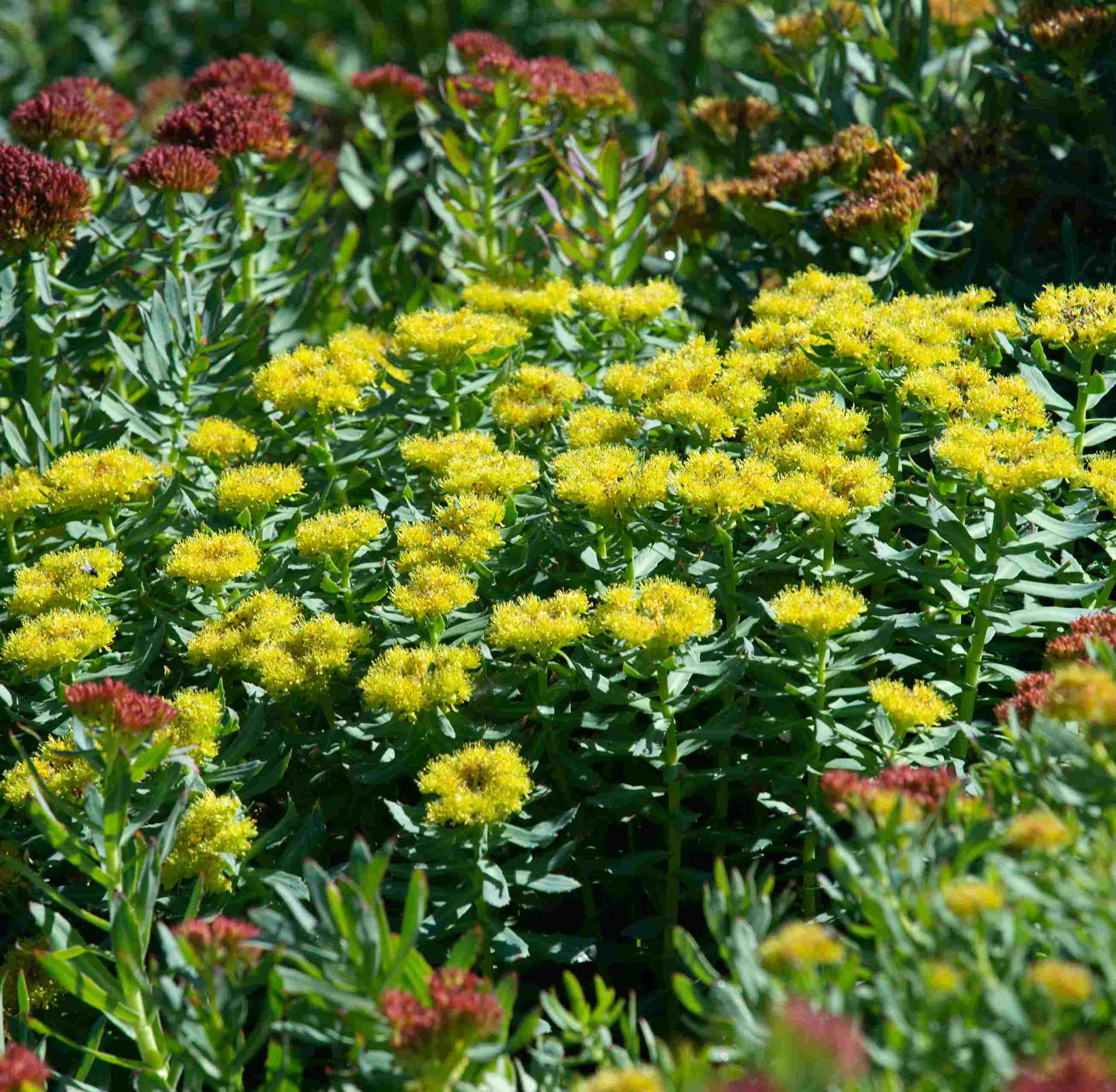
Rhodiola Rosea: Burnout, Stress-Fatigue and Anxiety
Rhodiola is a Scandinavian adaptogen — traditionally used by Siberian populations for physical endurance and mental stress resilience. It occupies a specific niche: anxiety that co-occurs with exhaustion, burnout, or mental fatigue — a profile increasingly common in the modern overwork context.
Rhodiola's mechanism differs from ashwagandha: rather than primarily suppressing cortisol, it modulates the sympatho-adrenal system via inhibiting monoamine oxidase (MAO-A and MAO-B) — the enzymes that break down serotonin, dopamine, and noradrenaline. The result is elevated neurotransmitter levels and improved stress resilience alongside energy support.
Six clinical trials have evaluated rhodiola for stress and burnout — including a notable comparative study (Anghelescu et al., 2018) finding rhodiola extract produced similar benefits to the antidepressant sertraline for mild-to-moderate depression, with significantly fewer side effects. For anxiety specifically, most benefit is seen in the burnout/adrenal-fatigue profile where anxiety and exhaustion coexist.
Best for: Stress-related anxiety with fatigue or burnout, anxiety during demanding work periods, anxiety with low energy and motivation, morning cortisol awakening response dysregulation
Dose: 200–400mg of standardised extract (3% rosavins, 1% salidroside) — take in the morning as it can be mildly stimulating. Effects begin within 1–2 weeks for acute stress; chronic benefits accumulate over 4–6 weeks.
Which One Is Right for You?
- Chronic stress + elevated cortisol + anxiety: Ashwagandha KSM-66 (first choice)
- Acute/situational anxiety + need fast relief: L-theanine (acts within 30–60 min)
- Anxiety + burnout/exhaustion: Rhodiola (addresses both simultaneously)
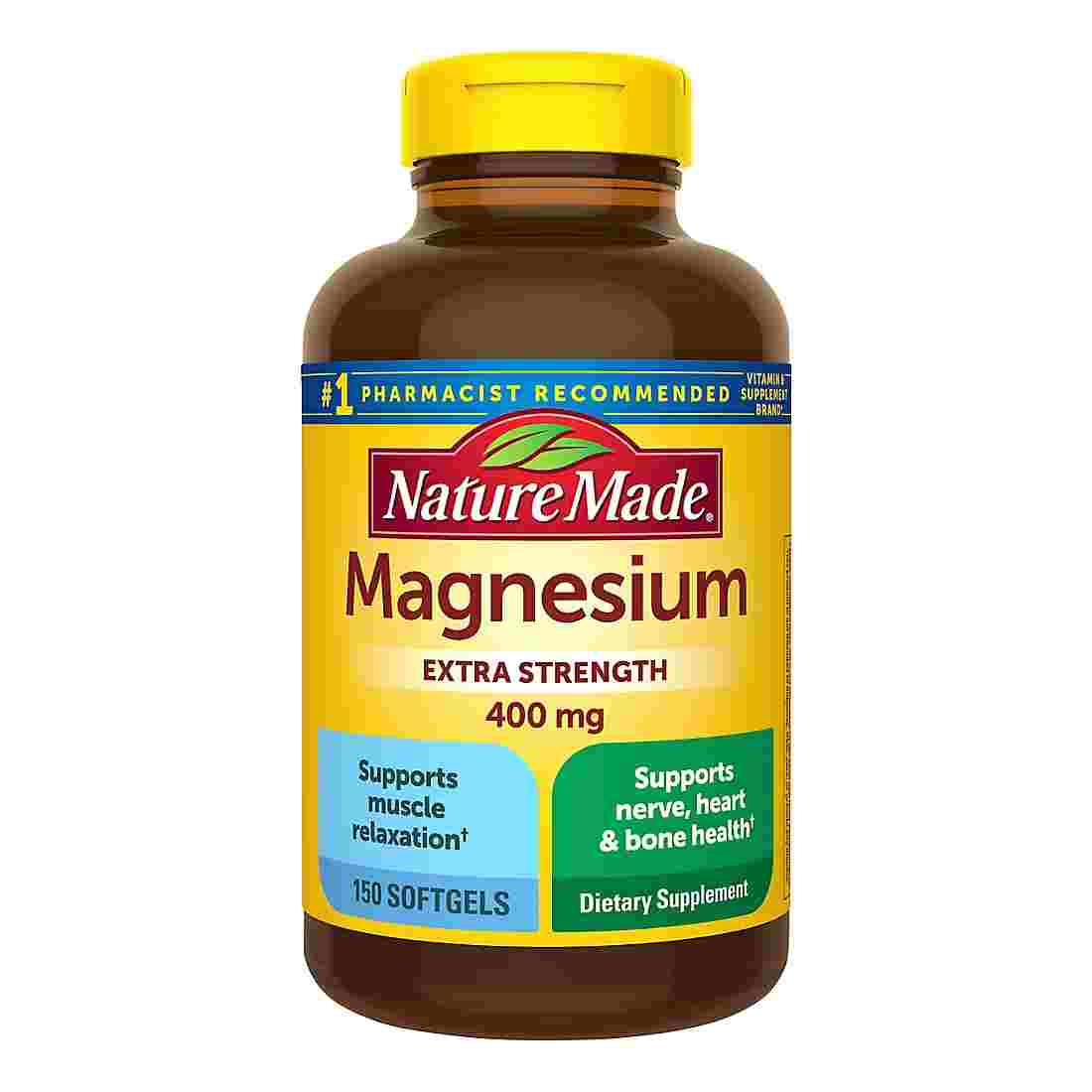
- Anxiety + sleep disruption: Ashwagandha or magnesium glycinate (both address sleep-anxiety cycle)
- Maximum effect: Ashwagandha + L-theanine combination — complementary mechanisms, no known negative interactions, combined cortisol + neurotransmitter approach
References
- Chandrasekhar K, et al. (2012). Ashwagandha for stress and anxiety: 60-day RCT. Indian J Psychol Med, 34(3):255–62.
- Hidese S, et al. (2019). L-theanine for stress symptoms: RCT. Nutrients, 11(10):2362.
- Anghelescu IG, et al. (2018). Rhodiola vs sertraline for mild-moderate depression: RCT. Int J Psychiatry Clin Pract.
- Rawji A, et al. (2024). Magnesium for anxiety and sleep: systematic review. Cureus, 16(4):e59317.