Journaling and Mood-Tracking Apps: Do They Help, and How to Use Them Well
Why Mood Tracking Is a Core Feature, Not a Gimmick
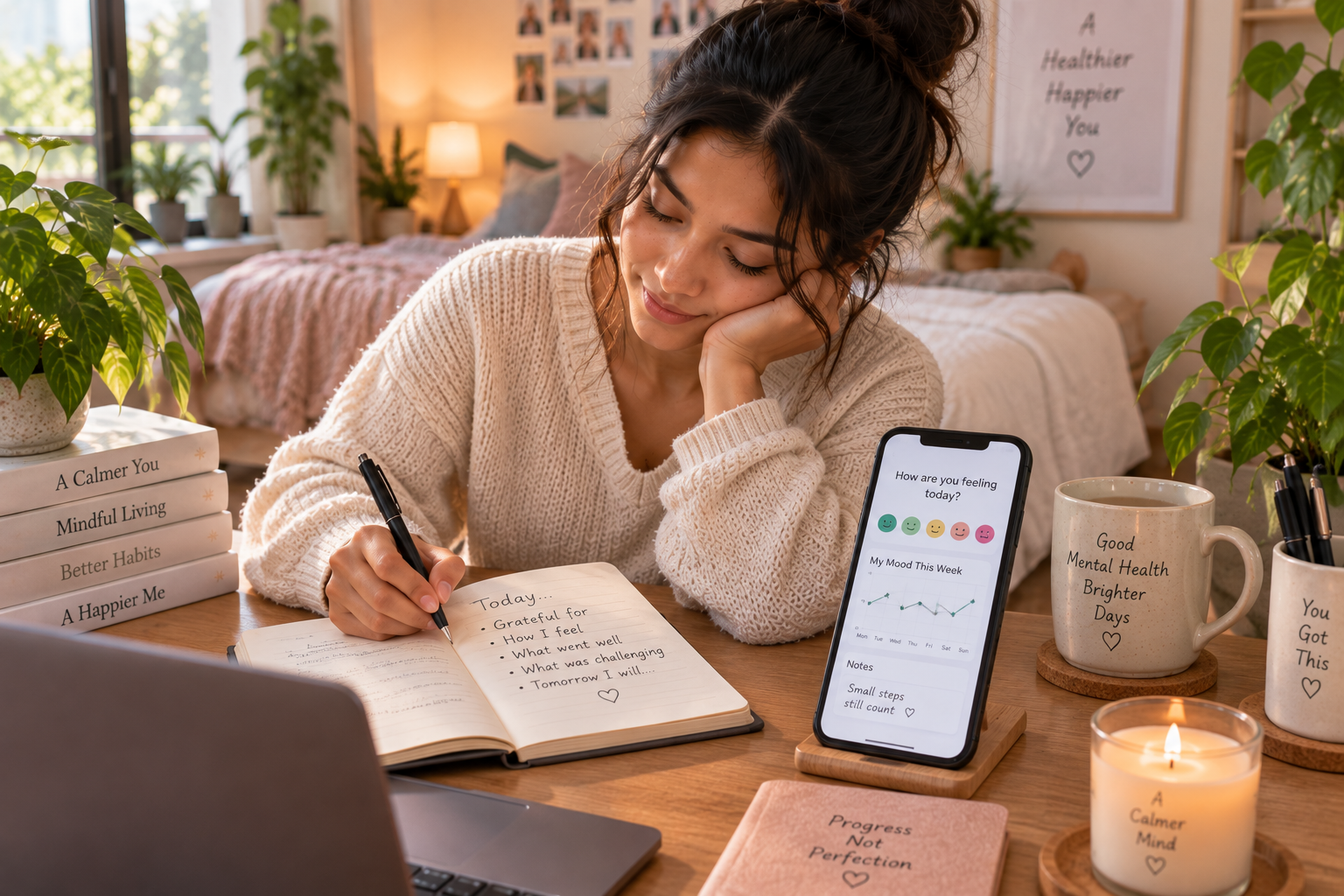
Apps like Sanvello build ongoing mood tracking into their core experience because the pattern over weeks matters more than any single day's entry -- a mood log lets you (or a therapist, if you share it) spot triggers, cycles, or gradual improvement that's genuinely hard to notice just from memory.
What Makes Tracking Actually Useful
Logging more than just a single mood number -- a short note on what happened, who you were with, how much you slept -- turns a mood score into something you can actually learn from later, rather than a data point with no context attached.
The Consistency Problem
Mood-tracking apps run into the same abandonment pattern as other wellness apps -- most people stop logging within a few weeks. Attaching the check-in to an existing routine (end of your workday, right before bed) tends to sustain the habit better than relying on a generic push notification.
When Tracking Data Is Genuinely Useful to a Professional
If you're working with a therapist or doctor, several weeks of consistent mood-log data can be a more objective starting point for a conversation than trying to summarize "how the last month has been" from memory alone -- worth mentioning to your provider if you've been tracking consistently.
When to Stop Tracking
If checking a mood score is making you more anxious or self-critical rather than more aware, that's a sign the tool isn't working for you the way it's intended to -- it's fine to drop tracking and use a different app format instead.
Free Tools in This Style
InnerCalmGuide's free Worry Journal & Thought Record and Bedtime Brain Dump & Sorter are both browser-based examples of this kind of structured writing exercise, if you want to try the format before committing to a dedicated app.